


Forum PFERD – THE HEALTH FORUM
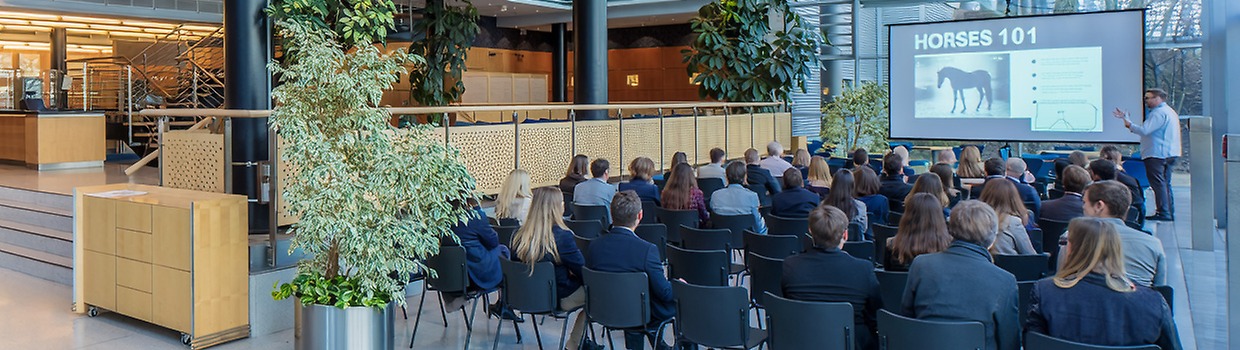
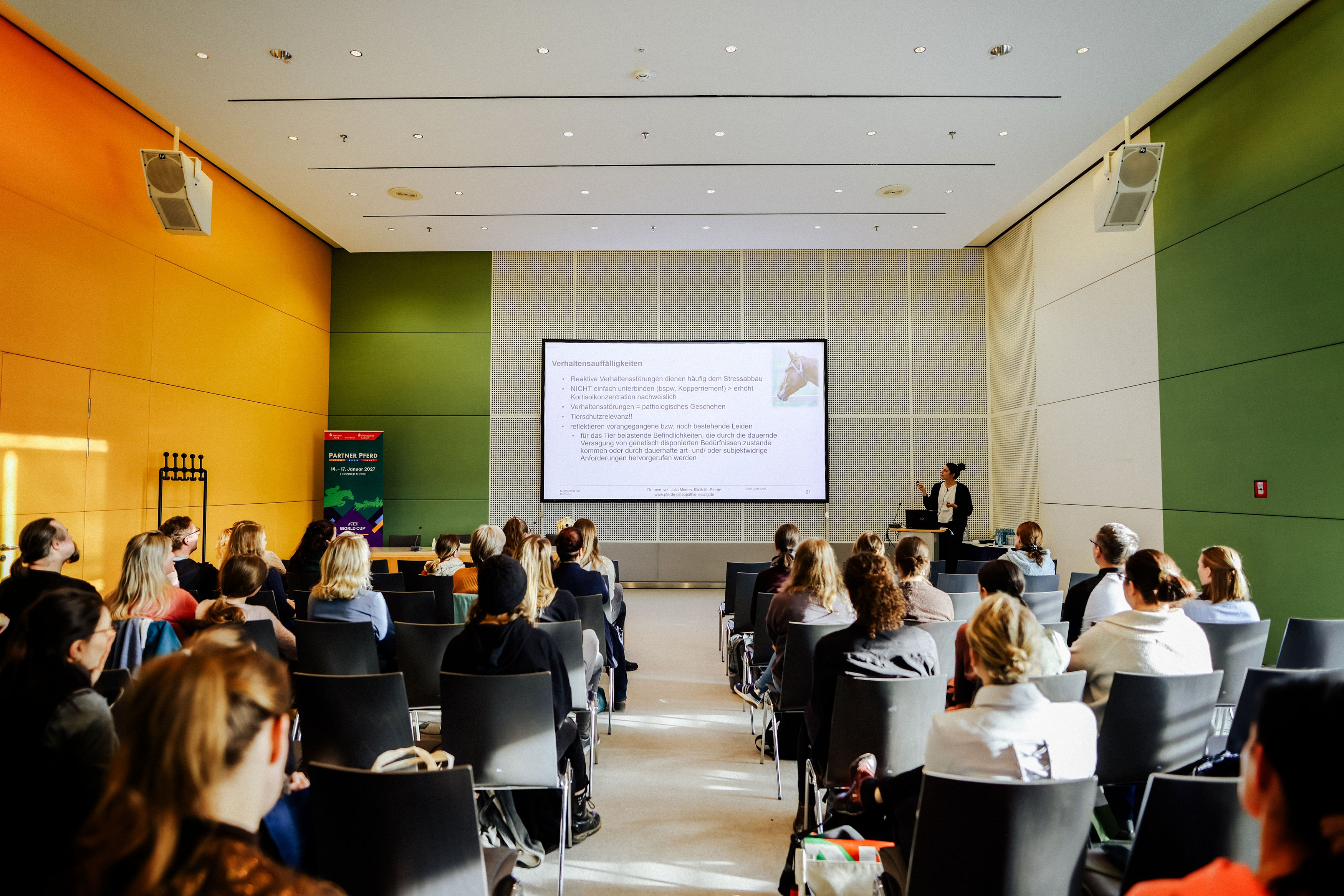
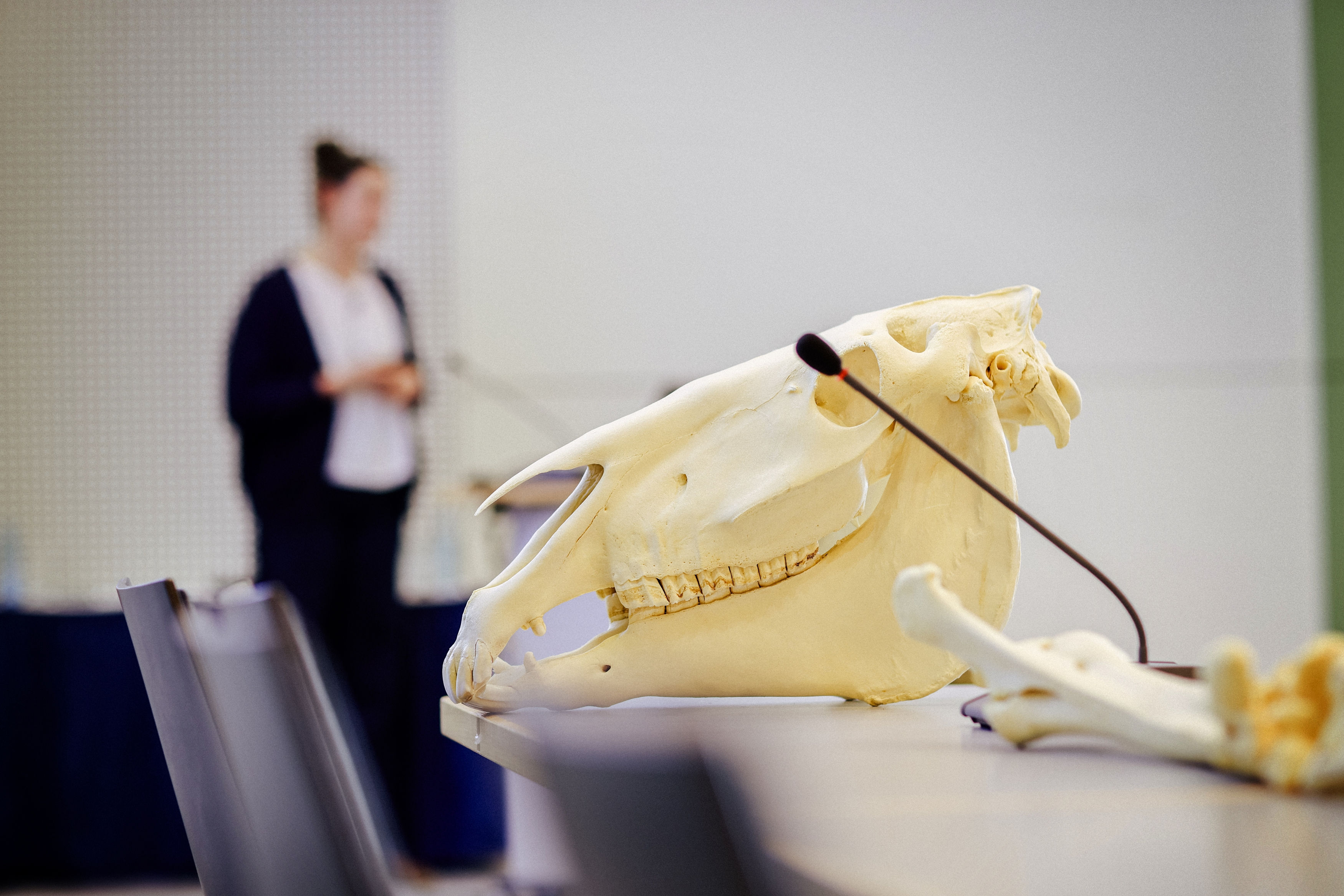
Visitors can discover everything about their horse’s health over two full days in 2027. The PARTNER PFERD, together with Prof. Dr. Christoph Mülling and the Veterinary Anatomical Institute of Leipzig University , once again presents the latest research findings and scientific insights from the world of horses.
The Forum PFERD kicks off on January 15, 2027, with three fascinating lectures from 3:00 p.m. to 6:00 p.m., and continues on January 16, 2027, with a full Health Day running from 10:00 a.m. to 6:00 p.m.. With experts from a wide range of disciplines, the PFERD Forum offers insights into every aspect of the horse.
Visitors will receive exciting and practical medical insights from veterinary professionals in both research and practice — valuable information for keeping horses healthy and for everyday stable management.
Admission to the PFERD Forum is free of charge with your trade fair ticket.
The lecture room is located in the exhibition hall restaurant between Hall 3 and Hall 5: hall plan (PDF, 1 MB)


Our speakers in the spotlight
Prof. Dr. Christoph Mülling
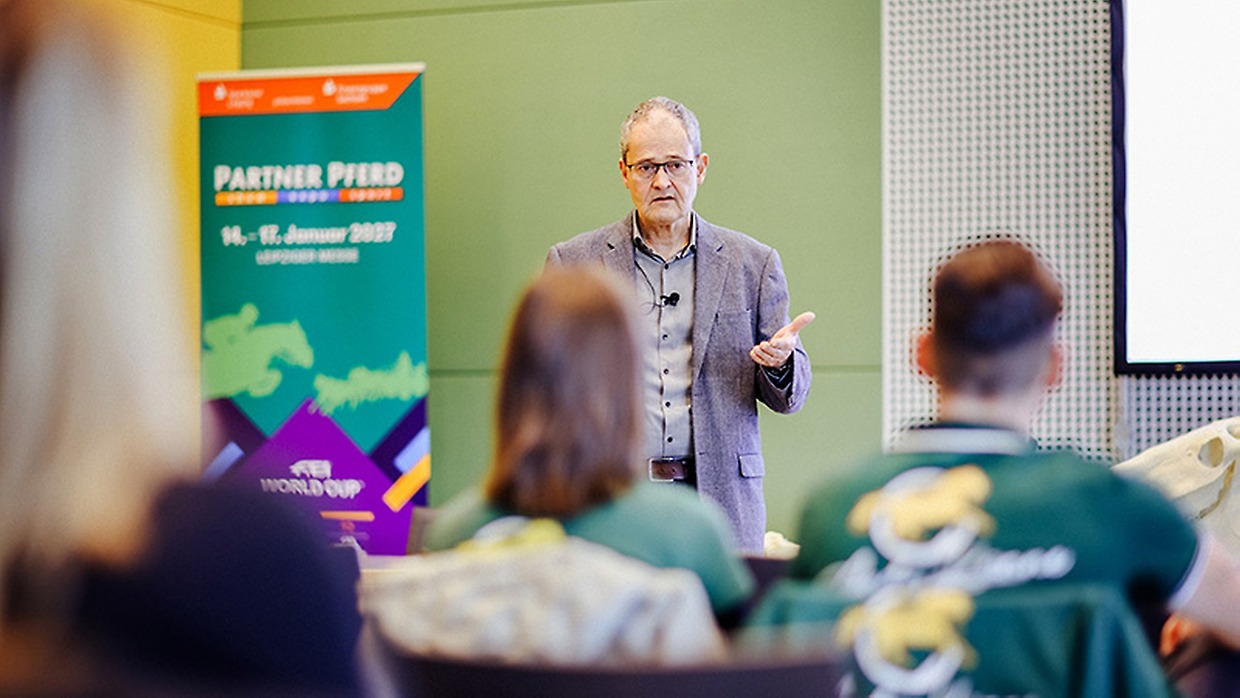
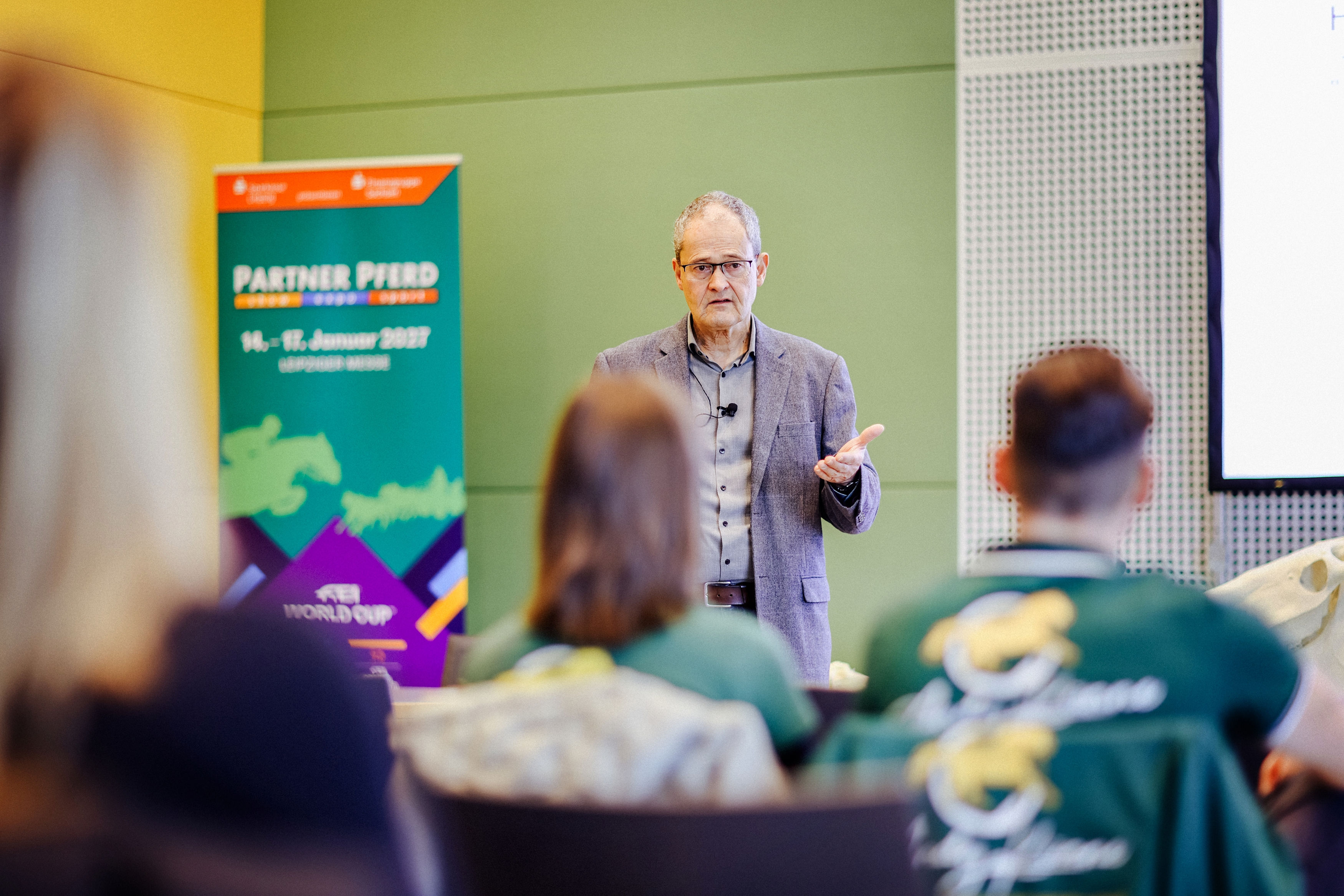
Prof. Dr. Christoph Mülling has been Professor of Veterinary Anatomy at the University of Leipzig since 2010. After studying veterinary medicine at the Free University of Berlin and working for five years in large animal practice, he obtained his doctorate in 1993, followed by extensive international research stays in Berlin, Cornell and Sapporo. In 2006 he became Associate Professor at the University of Nottingham and in 2007 Full Professor and Associate Dean Academic at the University of Calgary. In recent years he has developed a particular passion for the functional anatomy of the horse. His research interests include movement analysis, functional anatomy and biomechanics, the pathogenesis of hoof and claw diseases and in-vitro research on the skin, hoof and claw. Prof. Mülling was already present at PARTNER PFERD last year and emphasized how important the transfer of knowledge is to him: “If, as an expert, you can actually give people who have to deal with animals information that leads to them recognizing problems earlier, perhaps even preventing them. That they understand things better, that they perhaps also improve their riding actions and handling of the animal - that's an exciting thing,” says Müllling.
Andrea Kutsch
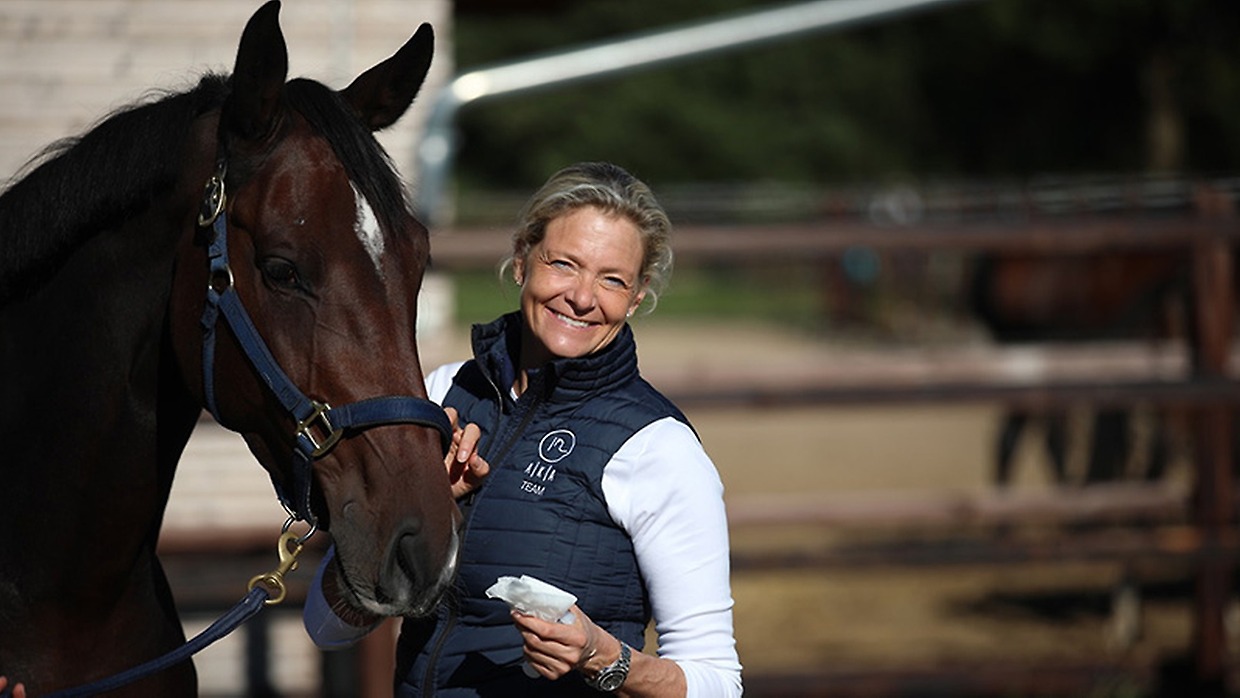
Andrea started riding at the age of six. Fascinated by dressage and show jumping, she also explored a wide range of other equestrian disciplines throughout her life. Between 1999 and 2006, she attracted considerable media attention through her close collaboration with American horse whisperer Monty Roberts. Known as his star pupil, she demonstrated her work with problem horses at events around the world, performing in arenas with audiences of up to 20,000 people.
Andrea teaches the latest findings in equine science through seminars and training courses, which can lead to certification as an EBEC Trainer, EBEC Master Trainer, EBEC Instructor or EBEC Master Instructor by the AKA. Through her comprehensive range of educational programmes, Andrea Kutsch offers horse enthusiasts, riders, instructors and professional horse trainers the opportunity to better understand their horses by providing and sensitively communicating extensive and unique knowledge. All course content has been developed in collaboration with teachers, professional trainers and riders, breeders, universities, psychologists and coaches.
In a joint discussion with Prof. Dr. Mülling, Andrea Kutsch will explore the differences between positive and negative stress in horses. During this 90-minute session, questions from the audience will be addressed, incorporating both medical and professional training perspectives.
Dr. Corinna Arnold
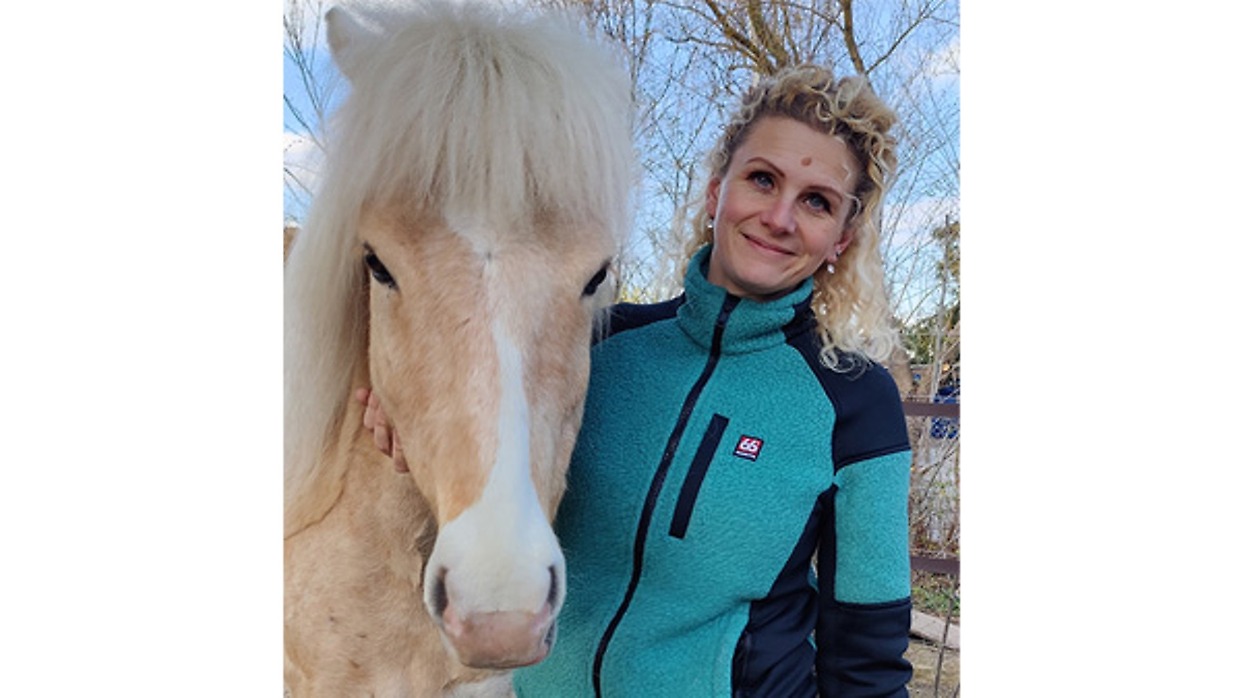
Dr. Corinna Arnold is a specialist veterinarian for equine internal medicine and senior consultant in the Department of Internal Medicine and Reproductive Medicine at the Equine Clinic of the University of Leipzig. Her field of activity includes the diagnosis and treatment of internal diseases in horses. She is also involved in clinical veterinary medicine and in the training and further education of students. With her expertise, she contributes significantly to the health care of horses and to the promotion of young veterinarians.